


Plan your visit
Schedule a campus visit today and see our stunning new student center!
It’s time to Rethink Smart
At Western, you can seek a deeper understanding of who you are and who you’re meant to become.
We celebrate the passions that drive you and the possibilities that inspire you. Here, a degree is a pursuit of purpose where learning empowers you, well-being strengthens you and an experience-driven education leads to a meaningful career.
It’s time to Rethink Smart. Are you ready?
-
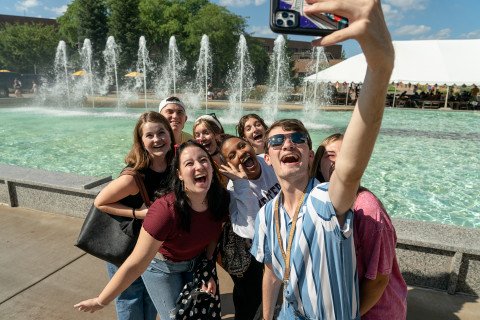
Learn and live in the No. 3 Best Metro Area in America for new college grads (Smart Asset, 2023). Visit our campus perfectly positioned between Chicago and Detroit and less than an hour’s drive from Lake Michigan.
-

Pursue a meaningful career at a University designed to develop the whole you. You’ll find everything you need to thrive intellectually, emotionally, physically and socially both in and out of the classroom.
-
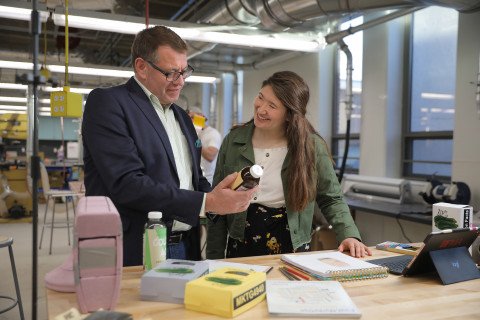
Experience-driven learning will give you a leg up when you’re ready to pursue a meaningful career. You can capitalize on the wealth of internships and similar opportunities available as soon as you arrive on campus.
Pride points
-
9 of 10 Broncos are employed quickly, working in their field in jobs they like
2022-23 Career Outcomes Report
-
97% of Broncos had instructors who made them excited about learning
2022-23 Career Outcomes Report
-
93% of Broncos participate in experience-driven learning
2022-23 Career Outcomes Report
-
Thrive on campus
-
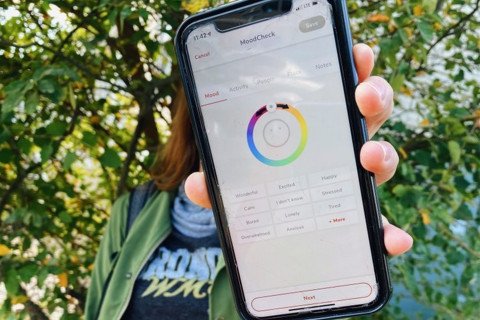
Holistic wellness tools available to Broncos—WellTrack and Uwill—promote self-reflection and allow students to be proactive with their health and well-being.
-

Free tuition and fees for up to five years for full-time, first-year students whose family has an adjusted gross income of $50,000 or less and net assets below $50,000. FAFSA must be completed by July 1.
-
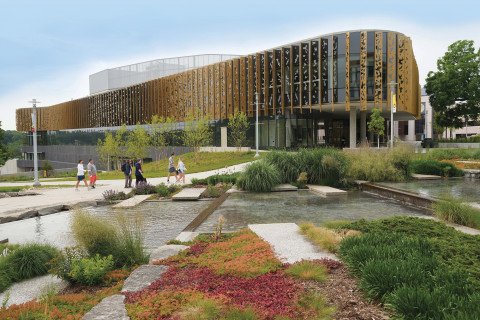
The new student center is the heart of campus where students can find community and belonging.
-
As a student, going to class is your 9 to 5 … but Western also fills that 5 to 9 gap. That's really what makes the difference; it's not just having awesome faculty and professors but having awesome student leaders and the Office of Student Engagement and everyone who works to help develop students on their off time.
Laila Stein, B.S.‘23 , aviation flight science, aviation management and operations
The Bronco family
No matter if you’re an alumnus or family member of a current student, you’re a part of the Bronco family. Keep connected with our news, events and campus updates, and become an active member in our community.
Video of 860646771
News


Events
Enhancing Clinical Skills for Strengthening Clients’ Internal Attachment Management in Social Work Practice
Date: May. 17
Time: 9:00am
Location: Virtual event
This advanced continuing education course is tailored for social work professionals aiming to elevate their clinical skills in the realm of attachment theory.
Spring into Summer: Cooking Demonstration
Date: May. 17
Time: 12:05pm
Location: 3302 Kohrman Cooking Lab
The Western Wellness cooking demonstration workshop is back!
Join Registered Dietitian, Gretchen Kauth, her awesome dietetic students, and Gibbs House staff for a cooking demonstration and taste-testing workshop highlighting summer-inspired recipes.
WMU Theatre Presents Julius Caesar
Date: May. 17
Time: 7:30pm
Location: WMU - Gilmore Theatre Complex
Shakespeare's political thriller tells the story of the conspiracy against Caesar, his assassination, and the defeat of his conspirators. Jealous conspirators convince Caesar's friend Brutus to join their assassination plot against Caesar.
A Taste of Ireland
Date: May. 18
Time: 7:30pm
Location: Miller Auditorium
Hot off its Off-Broadway premiere, ‘A Taste of Ireland―The Irish Music & Dance Sensation’ hits stages across the USA this May, performing the show that has entertained thousands around the globe. Laugh, cry, and jig into the night with a production that is Celtic, for this generation.